1. The Slow Travel Project
We’re Launching a Hospitality Project in Italy
You’re receiving this newsletter most likely because one of us knows you and thought you’d enjoy following along our new project. We are in the process of finding, acquiring, renovating and launching a luxury farm resort in Italy. This newsletter will document the journey as it unfolds and share the thinking, learning, and progress behind a project we’ve been quietly developing for some time. If it’s not for you, you can unsubscribe below.
Why Hospitality and Why Now
For more than a decade, we return to the same conversations when we travel. What truly makes a guest experience exceptional, where does it fail, and how small decisions make such a difference in how a place feels. We’ve talked through details from arrival moments, room design, meals, what makes activities feel special, service, staff, everything.
Our professional backgrounds are in software, not hospitality. But perhaps that will be helpful. We’ve approached the idea not as operators, but as long-term guests. We want to take the best of every place we’ve been and package into this project. More recently, these conversations evolved into concrete ideas. They converged around a simple but ambitious vision to create a luxury farm stay with an emphasis on slow travel and immersive local experiences. A place that feels personal rather than programmed. Relaxed, not pretentious.
A Different Kind of Startup
This is not a startup in the conventional sense. From the beginning, we understood that hospitality, especially rural hospitality, is a long game. Our goal is not rapid growth or financial optimization, but sustainability for the long term. We are building something we want to return to year after year. A place informed by the best hotels, villas, and guesthouses without trying to become a “brand hotel.” It needs to be large enough to support an excellent local management team, yet small enough to remain human in scale.
Financially, this is a patient investment. Properties like this are illiquid and complex. Our priority is investing in local people, local knowledge, and long-term quality. The measure of success will be the experience just as long as we don’t go bankrupt during the process.
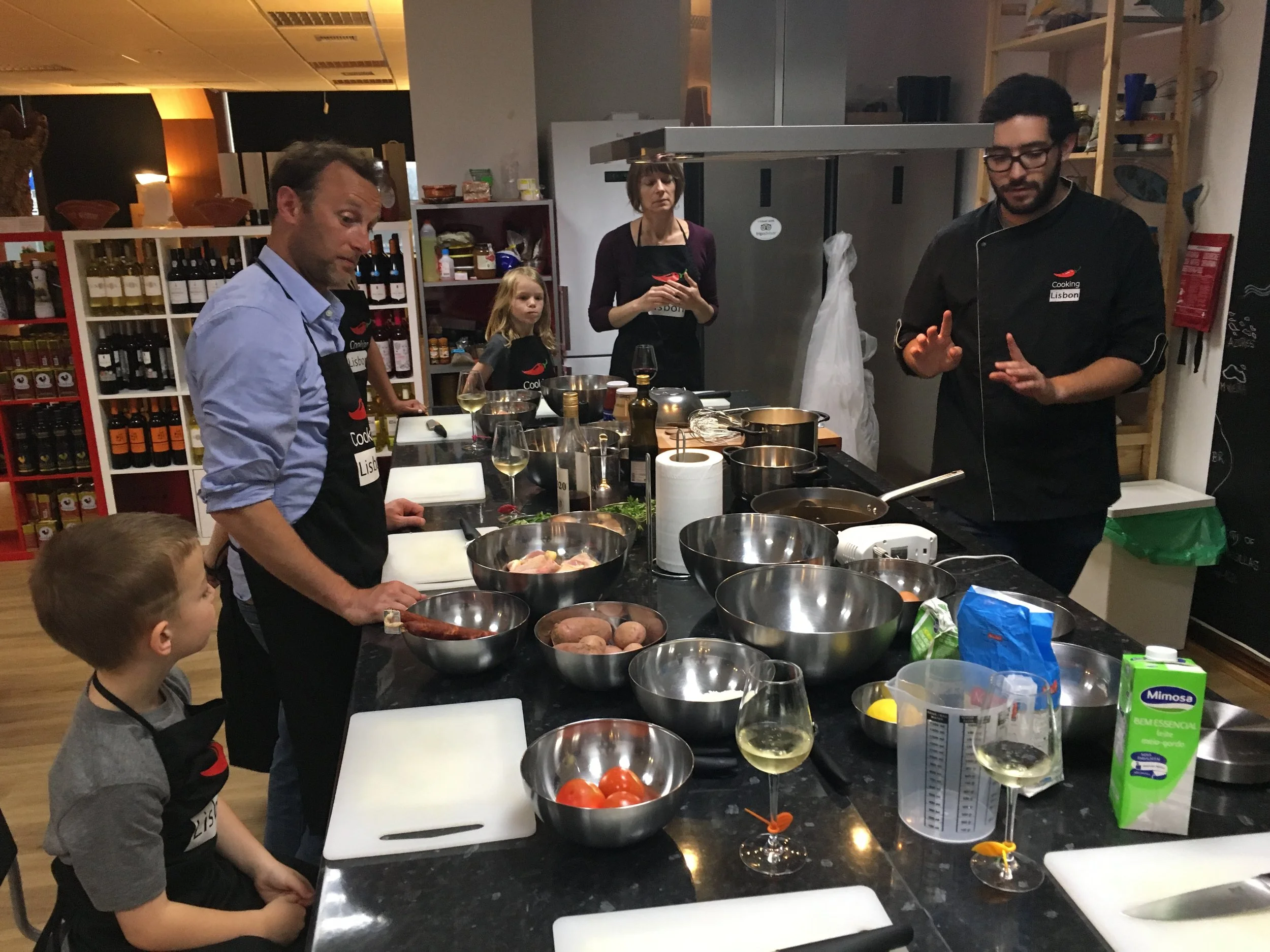
As many of you know, Dan likes to cook and that could be helpful to our project. Here he is wondering if we too should serve kids wine.
Since Dan didn’t have any true hospitality experience he decided to marry Roxanne who is the expert and would give us credibility in case we we decided to actually attempt a hospitality project.
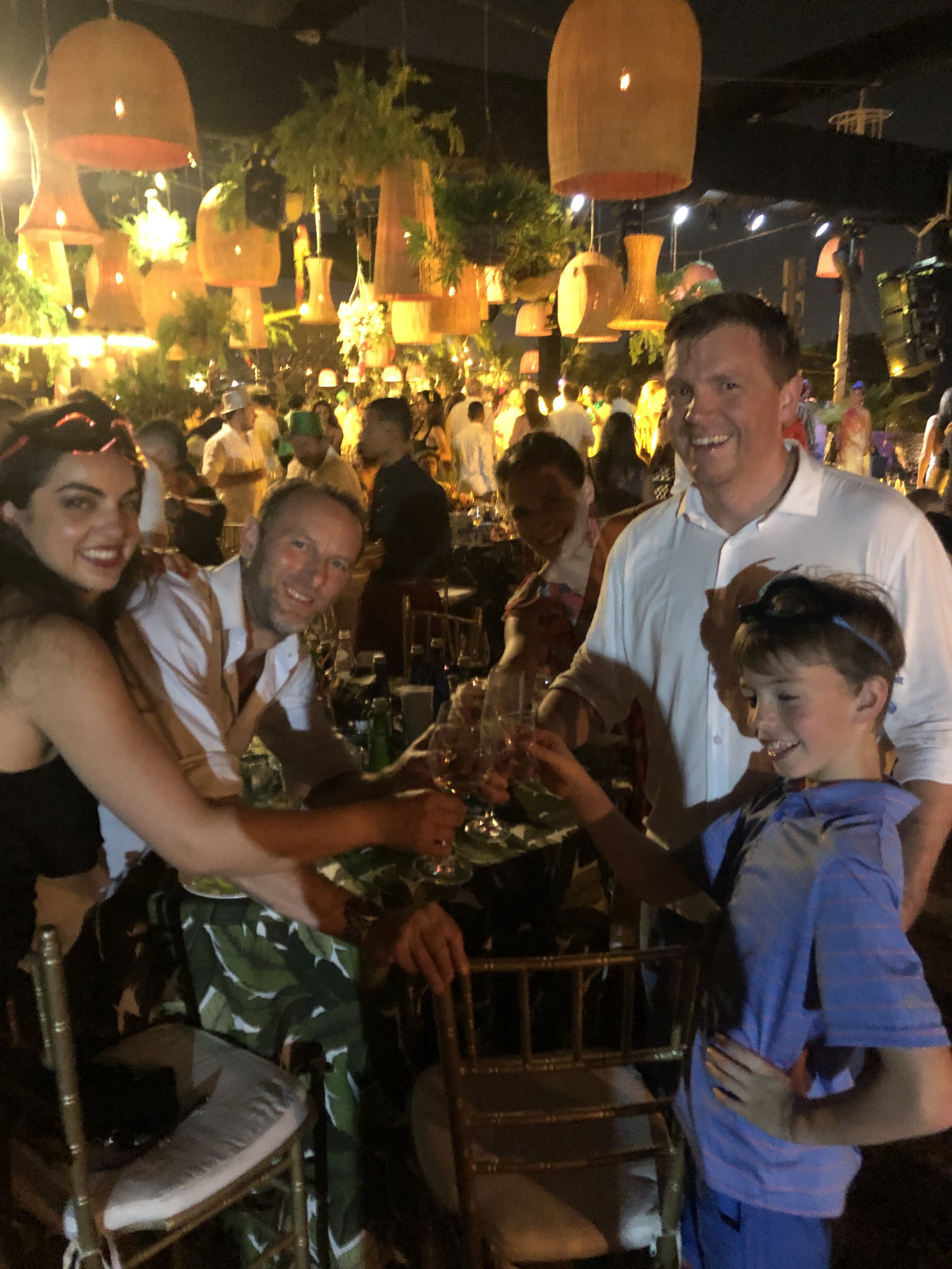
These are the moments we want to recreate.
The Pull of Italy
Our search initially took us to Spain. While compelling on paper, we weren’t finding what we were looking for. Then last August during time spent in Montepulciano our eyes we’re opened to Italy. Traveling with friends and connecting with people in the area, we experienced something beyond tourism. Hospitality here was not performative or transactional, it felt real. We arrived during the Bravìo delle Botti, a local festival that culminates in teams from each neighborhood racing heavy wine barrels uphill through the town to the main square at the top, passing out, and then being carried off in an ambulance from exhaustion and the heat.
It’s a perfect week to visit the city as it’s homecoming and reunion for locals that have moved away. Everyone comes back to town and each evening the eight Contrade (neighborhoods) throw a street party with food, BBQ, wine and on some nights, a discotech.
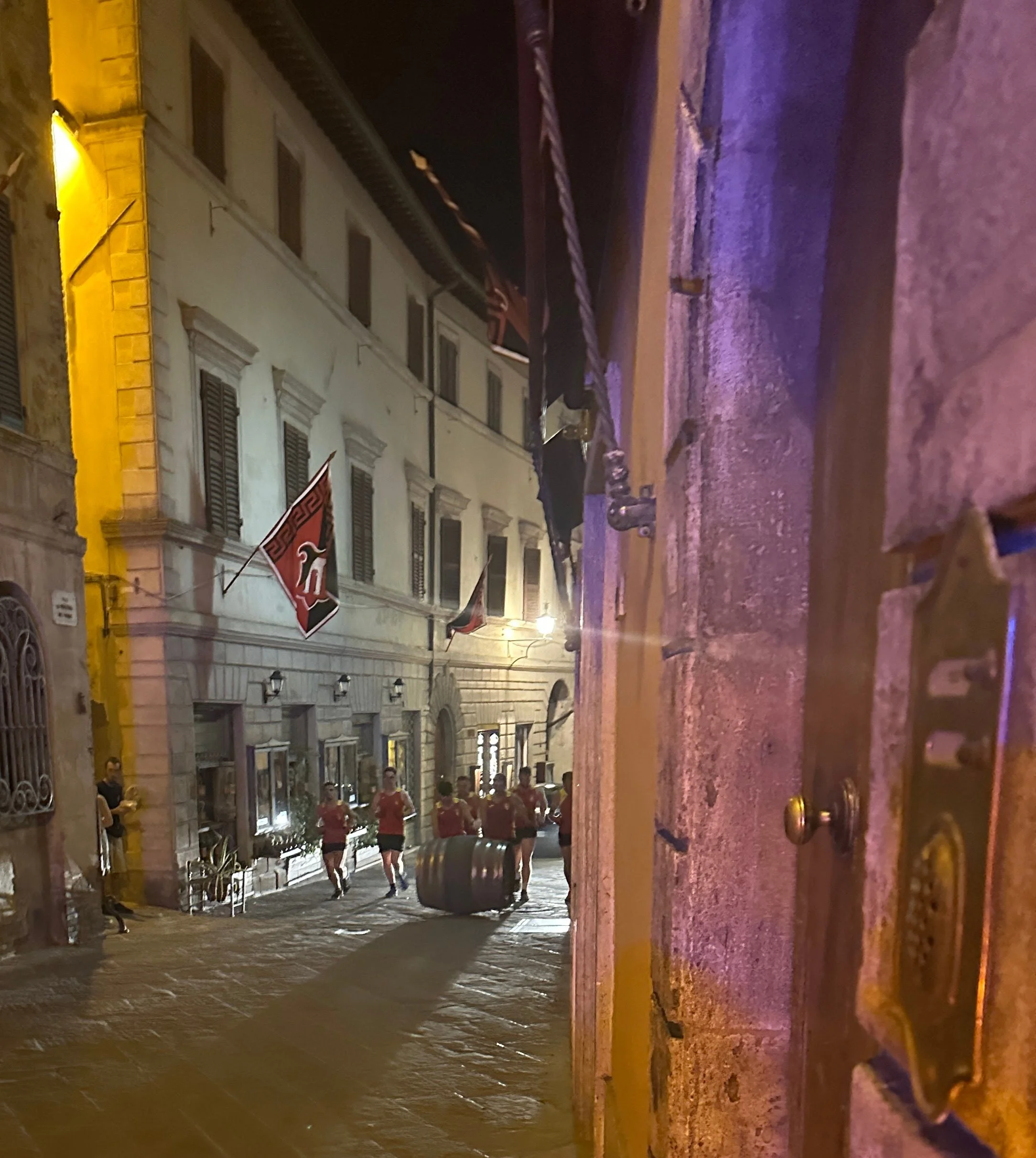
Teams practicing at night when it’s cooler.
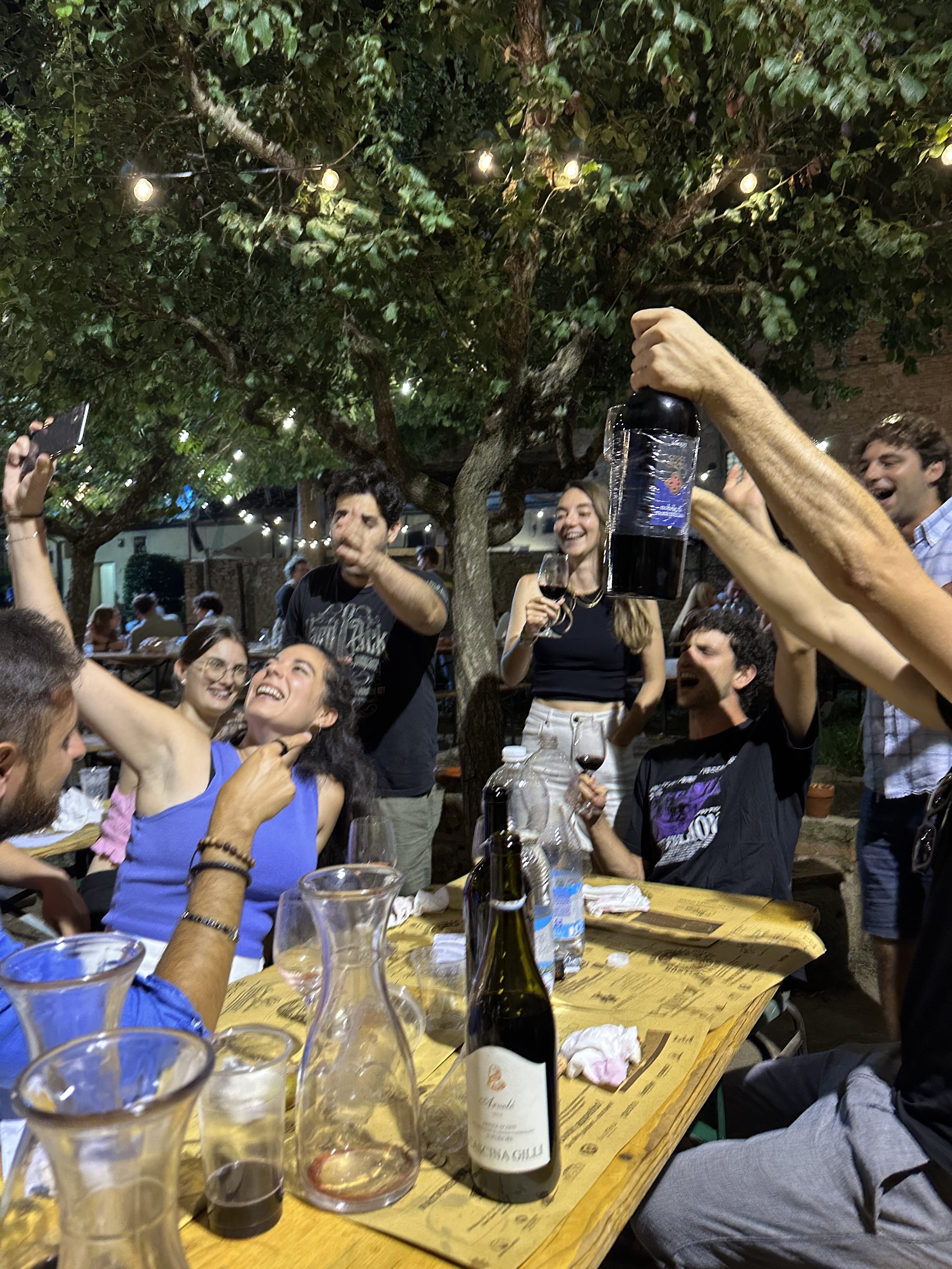
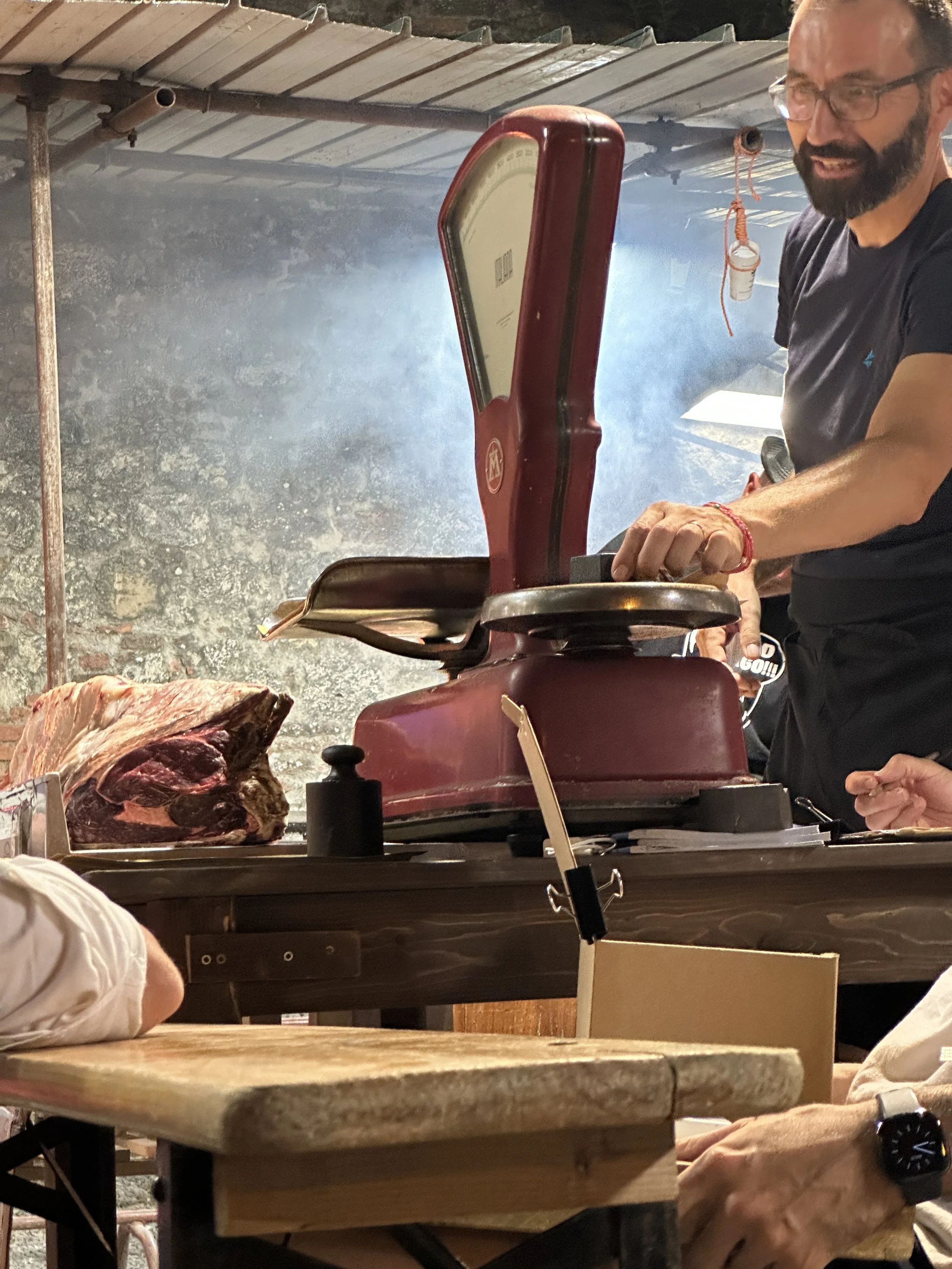
Through local friends, we were brought into kitchens, wine bars, and family restaurants. We felt welcomed and experienced the type of hospitality that we want to create for others - the feeling of traveling with a local, a friend and with a bit of an insider perspective.
Understanding Agriturismo and Tuscany Itself
While were in Montepulciano I connected with a local agent who showed me several agriturismos that were for sale. There are over 18,000 in Italy and they are everywhere. An agriturismo is a rural accommodation that blends the charm of traditional farming with the hospitality. These establishments are working farms and offer lodging and meals to guests. They provide an experience of rural Italian life. Guests can stay in a rustic stone farmhouse, enjoy homemade meals prepared with fresh, local ingredients, and even participate in farm activities like harvesting vegetables, feeding animals, or wine tasting.
Italy established the concept of agriturismos in the 1980s to support the agricultural sector and preserve rural communities. The government recognized the need to diversify farmers' income sources, especially during times when agricultural profits were low. By opening their farms to tourists, farmers could generate additional revenue, ensuring the sustainability of their agricultural practices. This initiative also aimed to promote rural development by drawing tourists to less-visited areas, stimulating economies and helping to prevent rural depopulation.
Tuscany is a much larger and geologically diverse area that I had envisioned - about the size of New Jersey. One of the aspects that make Tuscany special is its commitment to maintaining the traditional look and feel of its towns and countryside. These regulations limit new construction and enforce strict guidelines on renovations, ensuring that any new buildings or modifications blend seamlessly with the historical and architectural style of the region. This includes the use of traditional materials like stone and terracotta, as well as architectural features such as red-tiled roofs and wooden shutters. By the end of the trip, it was clear that Italy, and Tuscany specifically, was where this project belonged.
Defining Our Search Criteria
Back home, we began to translate our ideas into property search criteria. We asked ourselves what would be necessary to create the kind of place we envision.
Our search focused on properties with:
A historic stone farmhouse, villa, or small hamlet
Existing hospitality, ideally an agriturismo that is licensed
More than 25 acres of land
Proximity to a historic town (within 20 minutes)
12–20 guest rooms with ensuite baths, or space to create them
Privacy with buildings set well back from public roads
Separate accommodations for owners and staff
Additional agricultural or auxiliary buildings adaptable for fitness, events, or workshops
A kitchen suitable for small-format cooking classes
A large pool with open views
Land planted with gardens, olives, or vines
Distinct natural features—water, woods, trails, or long views
Reliable water access and modern internet infrastructure
And, ideally, a price that’s affordable
Searching in Italy is its own education. There is no centralized listing system. Information is fragmented, outdated, and rarely transparent. It requires patience, local relationships, and repeated visits. Over time with invaluable help from people on the ground we started to narrow the field. After several return trips, we are now focused on three finalist properties. For the first time, this project feels tangible. Next up we will share the finalists!
